Fantasy basketball: Who increased their value most during summer league?
By Jorge Perez· Founder, V12 DFS
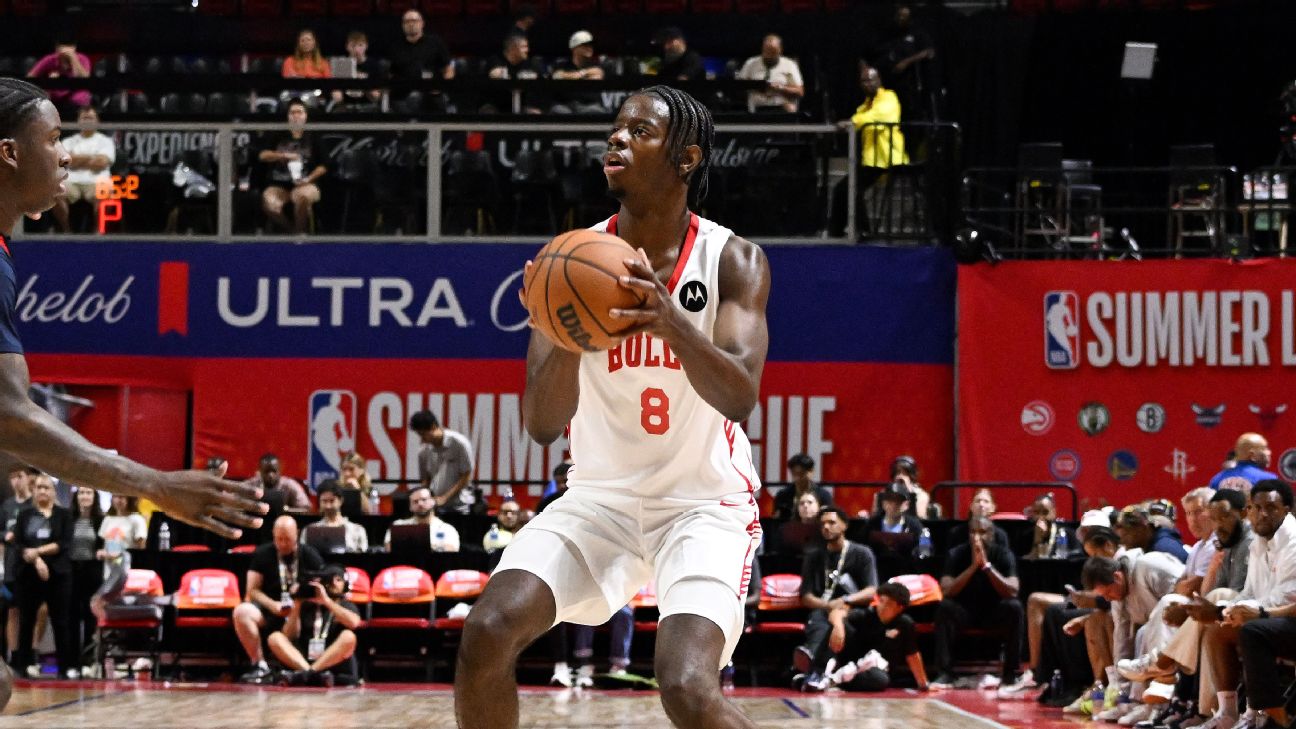
Fantasy analysis can surface role, waiver, rankings, and usage signals before they become obvious in projections. Treat it as context for player research.
Summer league performances rarely dictate regular-season rotations, but they do shift projection uncertainty—and that's where DFS value emerges. When a prospect flashes efficiency, usage, or role clarity in Vegas, it narrows the range of outcomes the nba dfs optimizer has to price around. Players who looked lost in preseason workouts but found rhythm against summer league opponents move from "deep bench dart" to "viable salary relief," which changes both cash-game floor and GPP leverage math. The question for DFS isn't whether summer league performance will hold; it's whether the market has already repriced the upside or left a gap between hype and salary.
The most useful summer league signals come from minute allocation and offensive creation. A young guard who ran 25+ minutes and initiated offense in every game has answered one critical question: the coaching staff trusts him to make reads under pressure. That's different from a scoring guard who got fed in transition. On slate day, if that decision-maker is still underowned because summer league stats don't move casual player pools, you've got ownership leverage. Conversely, if a lottery pick disappointed in Vegas and salary hasn't adjusted downward yet, that's a fade candidate—the market's still pricing last year's draft capital rather than actual role clarity.
Watch for confirmation on opening night: Does the player who dominated summer league actually see starter's minutes, or was Vegas just extended practice? A strong summer performance in a bench role is ceiling play at best; the same performance in 30+ minutes is a core build candidate for cash. Before locking, cross-check your exposure against the projected game total and pace—a summer breakout in a slow game won't generate as much volume upside as the same player in a 220+ pace matchup. That's the kind of slate-level calibration that separates ownership leverage from false contrarian signals.
Turn this NBA news into a lineup tonight
V12's NBA engine reads slate context, builds a candidate pool, runs configured simulations, ranks the portfolio with ownership and behavioral pattern signals, and ships a FanDuel-ready CSV. The news above becomes one input among many — not a forced lineup change.