2026 NBA Finals: Biggest takeaways from Knicks-Spurs Game 2
By Jorge Perez· Founder, V12 DFS
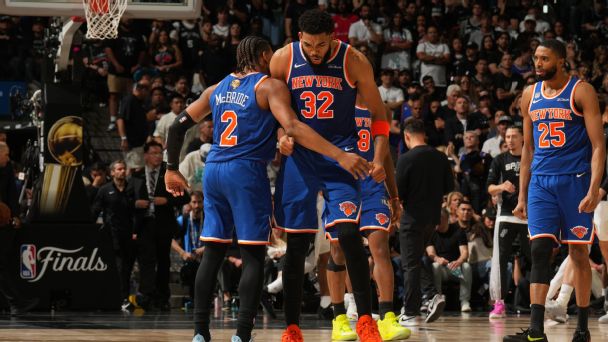
Minutes context can matter more than raw projection in cash-style builds. Keep floor and role stability separate from ceiling noise.
The Knicks-Spurs Finals matchup is reshaping what DFS players should expect from minute allocation and role stability in a championship series. Game 2's outcome didn't just affect the series score—it signaled which players are logging heavy postseason minutes and which bench contributors might be gaining or losing touch. For DFS builders, this is critical: Finals minutes are where role clarity either hardens or fractures, and the optimizer needs accurate projections to weight salary against usage. If a reserve logged significant minutes in Game 2 after limited action in Game 1, that's not necessarily a floor play in Game 3—it could be a coaching adjustment that sticks, or a one-off response to foul trouble or matchup pressure. The key is isolating whether the minutes were earned or circumstantial.
Championship series basketball often compresses the rotation. Starters get longer runs, bench depth shrinks, and the depth-league leverage that works on a regular-season slate collapses into a tighter pool of salary-efficient pivots. Knicks and Spurs both field specific minute philosophies—one team might ride four-man lineups with extended rests, another might rotate aggressively to keep legs fresh. Game 2 revealed which approach is winning the matchup. For slate builders, this means re-checking back-to-back implications (if Games 2 and 3 are on consecutive nights, rest risk matters more), confirming who's in the starting lineup for Game 3, and flagging any rotation changes that ESPN or league insiders have flagged post-game. The optimizer weights minutes heavily because they drive usage and possession load; a five-minute swing in a Finals game can turn a neutral play into leverage.
The closing paragraph is where DFS execution sharpens. Lock the Knicks and Spurs rosters into your late-swap tracking, verify minutes updates against the official injury report released 90 minutes before tip, and cross-check ownership leverage signals—Finals games often skew toward chalky, high-usage stars, which creates value in secondary scorers whose minutes just solidified. Watch for any player flagged as "game-time decision" or returning from Game 1 foul trouble; those minutes changes ripple through the entire lineup rubric. The Finals are a three- or four-game sprint where role consistency matters more than variance, so treat minute confirmation as your pre-lock checklist item before exporting to FanDuel.
Turn this NBA news into a lineup tonight
V12's NBA engine reads slate context, builds a candidate pool, runs configured simulations, ranks the portfolio with ownership and behavioral pattern signals, and ships a FanDuel-ready CSV. The news above becomes one input among many — not a forced lineup change.