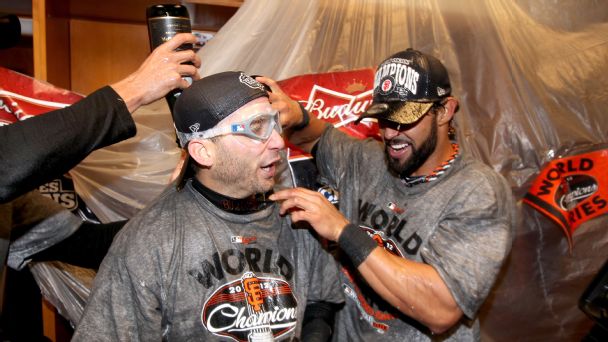
How many sweeps have there been in the World Series?
By Jorge Perez· Founder, V12 DFS
Availability is the first wall. Projection and ownership only matter after OUT, questionable, and replacement-role risk are resolved.
The notion of a World Series sweep carries enormous DFS weight—not because of historical trivia, but because it signals a massive talent and health disparity between two teams heading into a series. When one club is favored heavily enough that a sweep becomes plausible, the slate structure changes dramatically. The team expected to win will see inflated ownership on their stars, compressed game totals in their favor, and predictable stacking patterns. Meanwhile, the underdog's best bats face the prospect of elimination-game pressure and reduced playing time if their team falls behind early. V12's MLB DFS optimizer treats sweep-risk matchups as leverage opportunities: high-chalk players on the favorite become overowned, while selective contrarian pivots to the underdog's power bats—especially in GPP tournaments—gain ceiling room precisely because fewer lineups will chase that upside.
The 21 sweeps on record tell a story that translates directly to slate-level decision-making. Teams that sweep typically possess a pitching advantage so pronounced that opposing lineups face ace-heavy rotations with no built-in rest game. That pitching matchup dynamic compresses implied totals in the series' games and reduces the baseline projection for the losing team's hitters across the board. If you're building cash lineups, you want the favorite's projected hits; in GPP, the question becomes whether the underdog's best player—usually the only name with a ceiling in a blowout scenario—offers enough contrarian value to justify tournament exposure. The batting order also matters: sweeps often feature deep rosters where the favorite's No. 3–5 hitters see maximum at-bats, while the underdog's lineup contracts if they fall into early deficits.
Verify the implied total and game-by-game pitching matchups before lock. A sweep scenario doesn't guarantee a low-scoring series if the favorite's lineup is particularly explosive; it means consistency and safety cluster heavily on one side. Watch for late-swap confirmation—if injury or roster news surfaces that narrows the underdog's competitive window further, the ownership leverage signal shifts sharply. That's the kind of slate adjustment that separates cash discipline from tournament differentiation.
Turn this MLB news into a lineup tonight
V12's MLB engine reads slate context, builds a candidate pool, runs configured simulations, ranks the portfolio with ownership and behavioral pattern signals, and ships a FanDuel-ready CSV. The news above becomes one input among many — not a forced lineup change.