2026 MLB betting guide: Our favorite prop bets for the second half
By Jorge Perez· Founder, V12 DFS
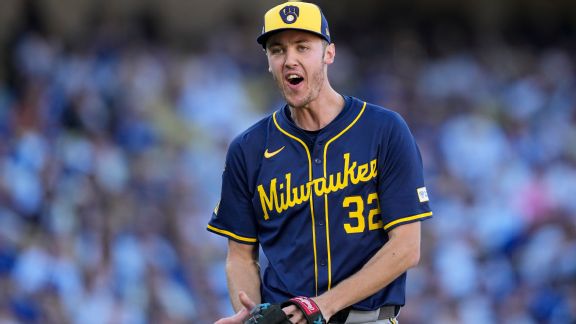
Beginner education matters for SEO and retention. This piece is useful for explaining rules, roster decisions, and how fantasy sports strategy connects to DFS thinking.
The shift into the second half of the MLB season brings fresh narrative angles, injury recoveries, and trade deadline reshuffling—all of which reshape DFS slates more dramatically than most bettors realize. While prop betting focuses on individual season-long outcomes, the daily fantasy layer sits much closer to the immediate game-by-game reality: who's in the lineup tomorrow, what's the pitching matchup, and how does that shift ownership patterns across a slate. Understanding which players and teams are trending into or out of favorable spots over the next two months directly informs lineup construction, whether you're building cash games or contrarian GPP exposure.
The second-half calendar is notoriously volatile for DFS because team performance and player roles stabilize in ways that don't always match preseason expectations. A reliever who's earned late-inning trust, a hitter who's climbed the batting order after a trade, or a rotation ace returning from injury all create ownership mismatches on FanDuel slates where most players are still anchored to first-half narrative. The optimizer can only project so much; the real edge comes from recognizing which second-half shifts have already priced in (chalk) and which ones the broader player pool has underestimated (leverage). Tracking which bats are entering more favorable park-and-pitcher matchups, or which arms are facing a sudden uptick in opposing team OPS, is the kind of late-swap signal that separates cash-line runs from tournament fades.
For daily fantasy purposes, second-half volatility cuts both ways. Teams jockeying for playoff position often tighten their rotations and bench management, which can reduce pace and limit upside for depth stacks. Conversely, sellers might tank minutes or benched role-players, creating value pockets that the mlb dfs optimizer will flag if you feed it accurate lineup data. The pragmatic approach: verify each slate's roster moves, cross-check opposing pitcher splits against your exposure targets, and don't assume June form holds through August. The prop bet narrative—a breakout season, a late resurgence, a surprise decline—often tells you which ownership consensus is most vulnerable to a contrarian pivot.
Turn this MLB news into a lineup tonight
V12's MLB engine reads slate context, builds a candidate pool, runs configured simulations, ranks the portfolio with ownership and behavioral pattern signals, and ships a FanDuel-ready CSV. The news above becomes one input among many — not a forced lineup change.