MLB All-Star Game 2026: Analysis, takeaways from Philly
By Jorge Perez· Founder, V12 DFS
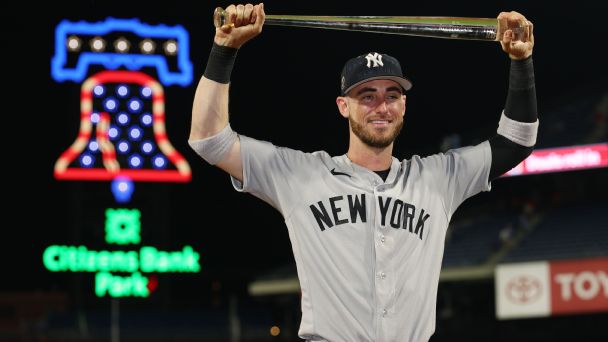
This is context, not an automatic lineup change. It becomes actionable only when it connects to the slate, price, ownership, or confirmed role.
The All-Star Game itself rarely moves DFS slates—it's an exhibition that pulls stars out of regular-season action for a single night—but the aftermath matters. Players who logged heavy innings in Philadelphia will carry fatigue and rest decisions into the subsequent week of MLB DFS lineups, and that cascade of late-swap moves is where ownership patterns shift. Any starter who threw multiple innings or positioned players who saw heavy duty will likely draw reduced exposure in the immediate slate, creating leverage against chalk selections that assume a player's baseline availability. The kind of intel that the MLB DFS optimizer flags is exactly this: when a high-owned asset suddenly becomes a risk due to rest or reduced playing time.
The National League's loss in a dominant AL performance also speaks to raw talent distribution on that particular night. If the NL was outmanned, it likely means several NL All-Stars underperformed or saw limited plate appearances, which matters less for DFS than the simple fact that those players may not be sharps' first instinct for the next slate. Conversely, AL All-Stars who performed well or logged significant at-bats emerge from the game with momentum that casual players will chase, potentially inflating their ownership without a corresponding skill edge. This is a classic ownership leverage spot: the gap between who played well in Philadelphia and who will actually produce in the next slate is rarely a clean match.
Front offices also use All-Star breaks to evaluate role changes, recent injuries, and trade-deadline positioning. Watch for lineup shuffles or rest days announced in the 24–48 hours after the game concludes. A player returning to action after heavy All-Star duty might be eased back in, or a team might seize the break to debut a prospect or rebalance their batting order. Late-swap savvy users should keep confirmations close—verify roster moves against your slate projections before lock, and pivot your exposure if a key salary slot gets unexpectedly sidelined.
Turn this MLB news into a lineup tonight
V12's MLB engine reads slate context, builds a candidate pool, runs configured simulations, ranks the portfolio with ownership and behavioral pattern signals, and ships a FanDuel-ready CSV. The news above becomes one input among many — not a forced lineup change.