2026 MLB ABS challenge system tracker: Team, player rankings
By Jorge Perez· Founder, V12 DFS
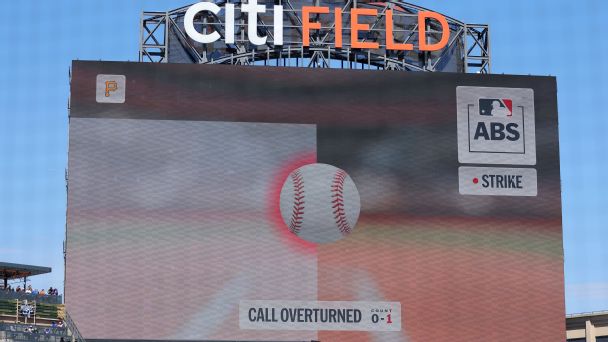
Fantasy analysis can surface role, waiver, rankings, and usage signals before they become obvious in projections. Treat it as context for player research.
The ABS (Automated Ball Strike) system is reshaping how MLB teams pitch and hit in 2026, and that shift carries direct implications for Daily Fantasy lineups. When an umpire's ball-strike calls can be challenged via replay, the strategic calculus behind pitch selection changes—pitchers may attack the zone more aggressively knowing they have recourse, while hitters face less margin for error on borderline pitches. For DFS purposes, this means studying which batters rank highest in the ABS challenge leaderboard isn't just novelty; it signals which players are seeing more pitches in the zone, which translates to higher contact rates, more hard-hit opportunities, and tighter strikeout floors in their projection profiles.
The catcher rankings on the ABS tracker are particularly valuable for slate construction. Catchers who excel at challenging bad calls—or whose teams have the discipline to challenge strategically—may be operating in slightly different run-scoring environments than the box score alone suggests. A team that aggressively leverages the challenge system can manufacture extra scoring opportunities, which affects implied totals and game stacks downstream. Teams that rank low in challenge usage might be leaving runs on the table, a signal worth factoring when building opposing pitcher stacks or fading their hitters in cash games.
Player-level ABS rankings offer a subtle ownership and leverage angle. High-ranking challengers often draw media attention, which can push them toward chalk ownership in GPPs; conversely, umpire-specific performance data in the leaderboard can help identify ballpark or weather-driven inefficiencies. If a batter ranks top-10 in successful challenges, ownership may overshadow his actual value, making late-swap pivots to teammates viable. This is the kind of signal an mlb dfs optimizer can weight when building contrarian tournament lineups—pairing ABS data with traditional metrics like park factor and pitching matchup to find edges where casual players haven't yet looked.
Turn this MLB news into a lineup tonight
V12's MLB engine reads slate context, builds a candidate pool, runs configured simulations, ranks the portfolio with ownership and behavioral pattern signals, and ships a FanDuel-ready CSV. The news above becomes one input among many — not a forced lineup change.