Duke's Isaiah Evans among those to land on Night 2 of NBA draft
By Jorge Perez· Founder, V12 DFS
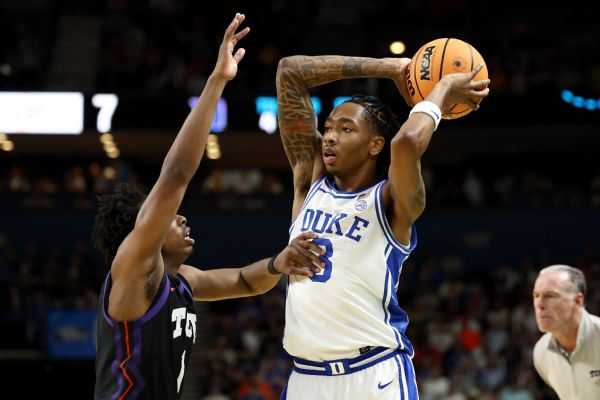
This is context, not an automatic lineup change. It becomes actionable only when it connects to the slate, price, ownership, or confirmed role.
Isaiah Evans' second-round selection carries immediate implications for NBA DFS slates once the lottery pick lands on an NBA roster. The green room wait—sitting through the entire first round without hearing his name called—typically signals a player headed to a franchise with deeper bench depth or a crowded rotation. That context matters enormously for DFS ownership and role projection. On draft night, the logistics are academic, but by the time Evans appears in a preseason or regular-season lineup, DFS players need to map exactly where he fits in his team's depth chart and minutes allocation. A second-round Duke guard or forward who slipped past the lottery likely won't command immediate starter usage, which tilts his salary down but also caps his ceiling in early-slate contests.
The Duke pipeline to the NBA is historically consistent, and Evans lands on a roster already constructed around existing rotations. Second-round picks rarely walk into significant playing time without injury or circumstantial opportunity; they're projects with defined roles—spot-minute contributors, specialty defenders, or bench scorers waiting for their window. For DFS purposes, the question isn't whether Evans is talented enough (he landed in the NBA, after all), but whether his team's current roster construction leaves him meaningful leverage plays or if he's buried too deep for salary-cap return. V12's NBA DFS optimizer will eventually price him based on Summer League reps and preseason minutes, so early-season slates may offer value if beat writers and ownership models underestimate his role.
When Evans becomes available in DFS contests, pinpoint his team's pace and bench minutes first. Does his new franchise play fast and rely on guard depth off the bench? Is he a forward competing for minutes in a crowded wing rotation? Check team injury reports heading into each slate; second-round picks emerge from the bench scrap, and a single starter absence can vault a prospect into contrarian upside territory. If you're building slates in October or November, monitor his preseason scoring and assist production as a proxy for role clarity, then re-check ownership by game time. A player with a low floor but volatile ceiling—which describes most developmental second-rounders—often becomes a leverage target in GPP builds when chalk pivots chase veteran chalk.
Turn this NBA news into a lineup tonight
V12's NBA engine reads slate context, builds a candidate pool, runs configured simulations, ranks the portfolio with ownership and behavioral pattern signals, and ships a FanDuel-ready CSV. The news above becomes one input among many — not a forced lineup change.